We turn food waste into measurable environmental and social value through local circular-economy operations, EcoLoop Intelligence, and community partnerships.
Our first full operational year shows how consistent collection, local processing, data tracking and community circulation can create measurable impact.
MBL connects food-waste producers with local processing, agriculture, aquaculture and education—supported by measurable impact data.
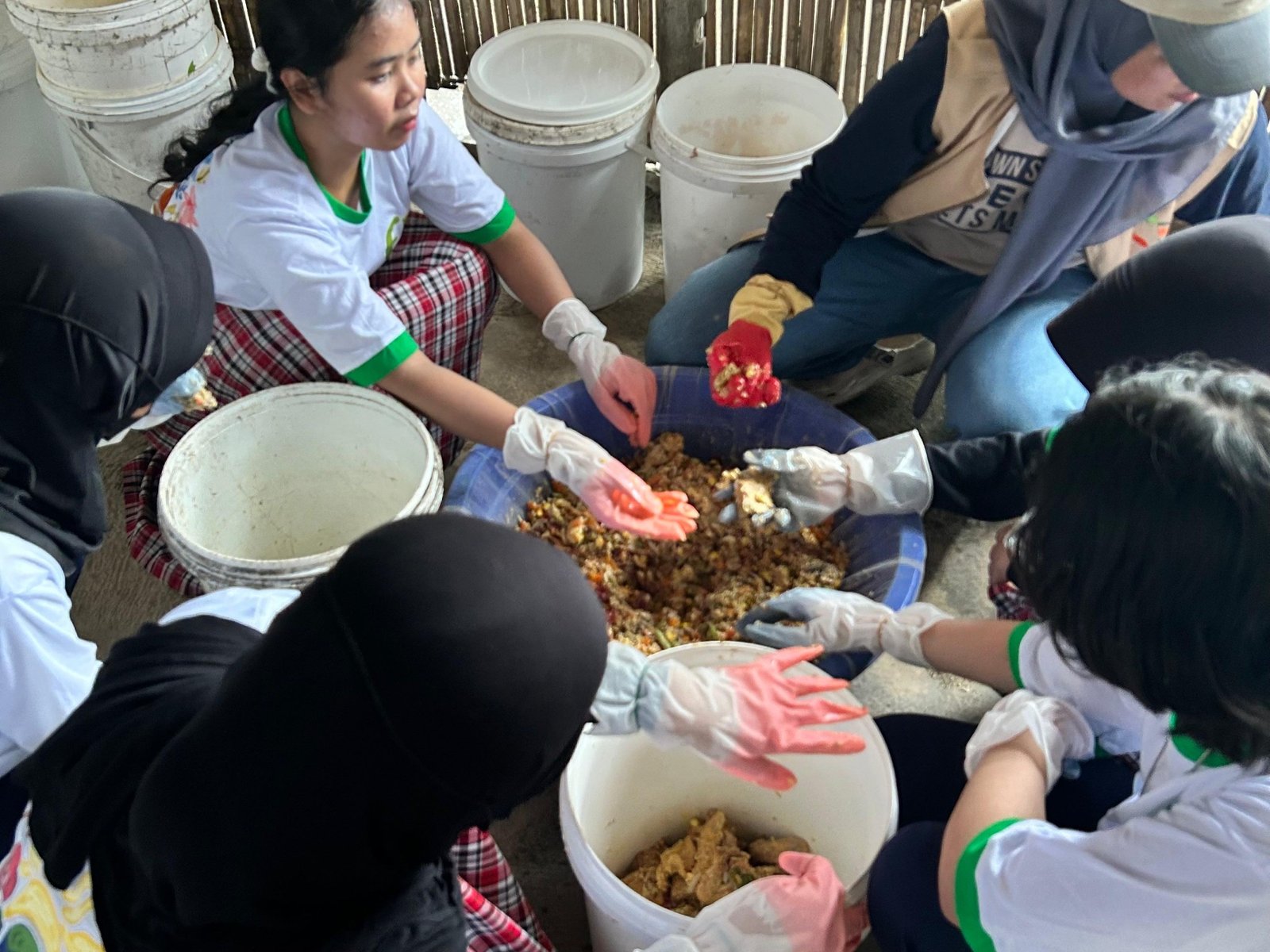
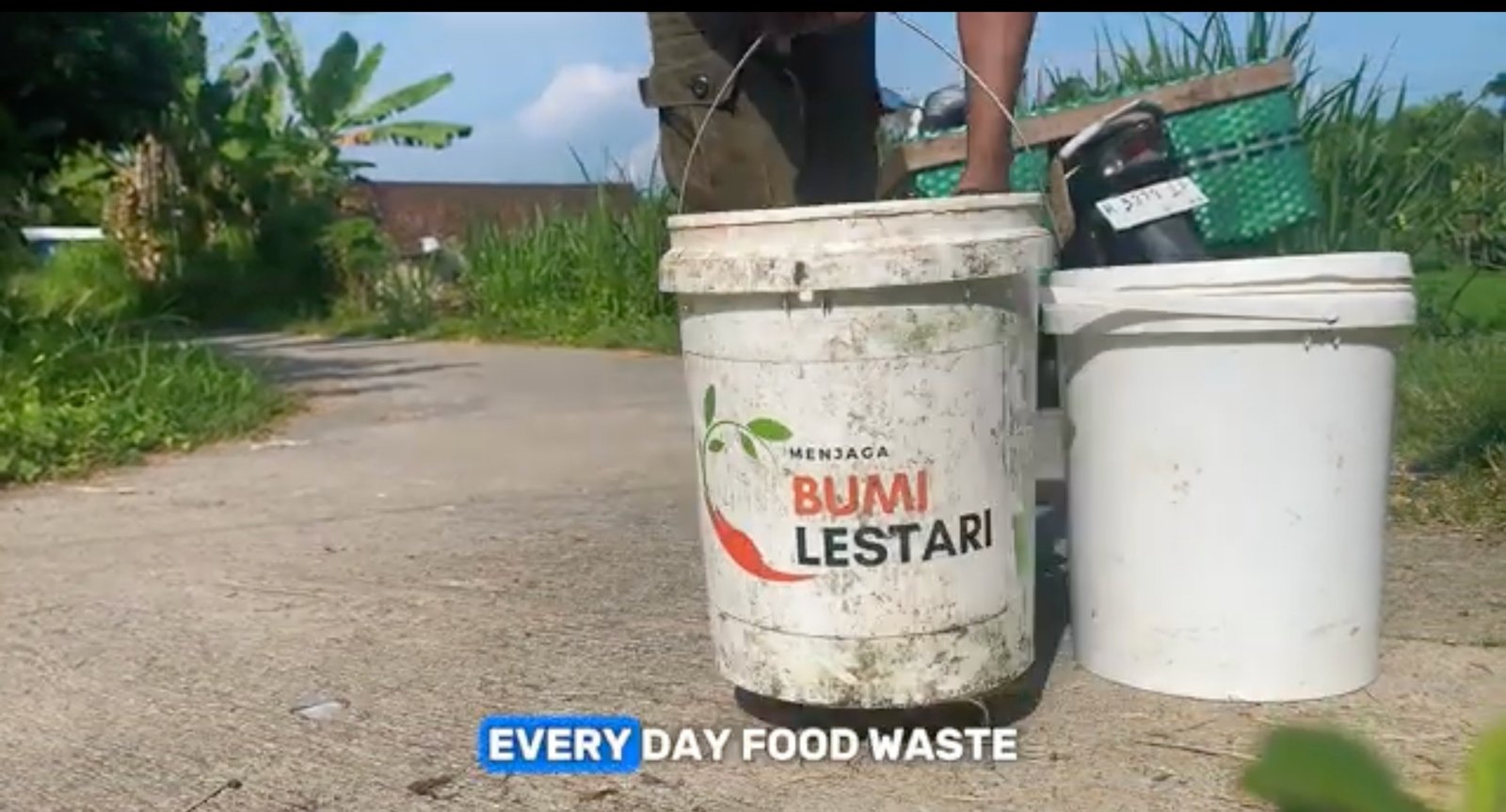
Segregation support, scheduled collection and local processing designed to keep organic waste out of landfill.
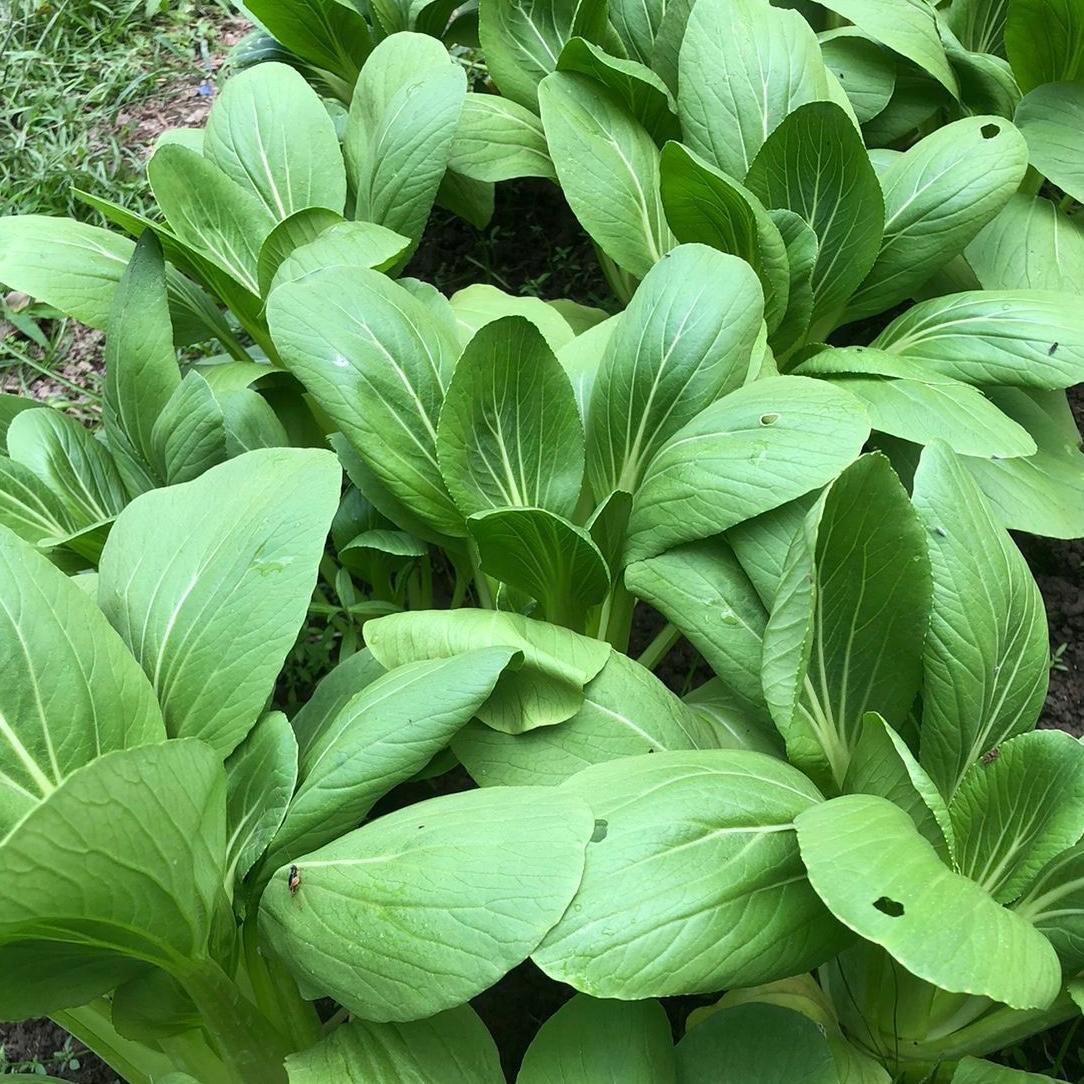
Food waste is transformed into bio-fermented feed, bio-fertilizer and biomass pellets that return value to local food systems.
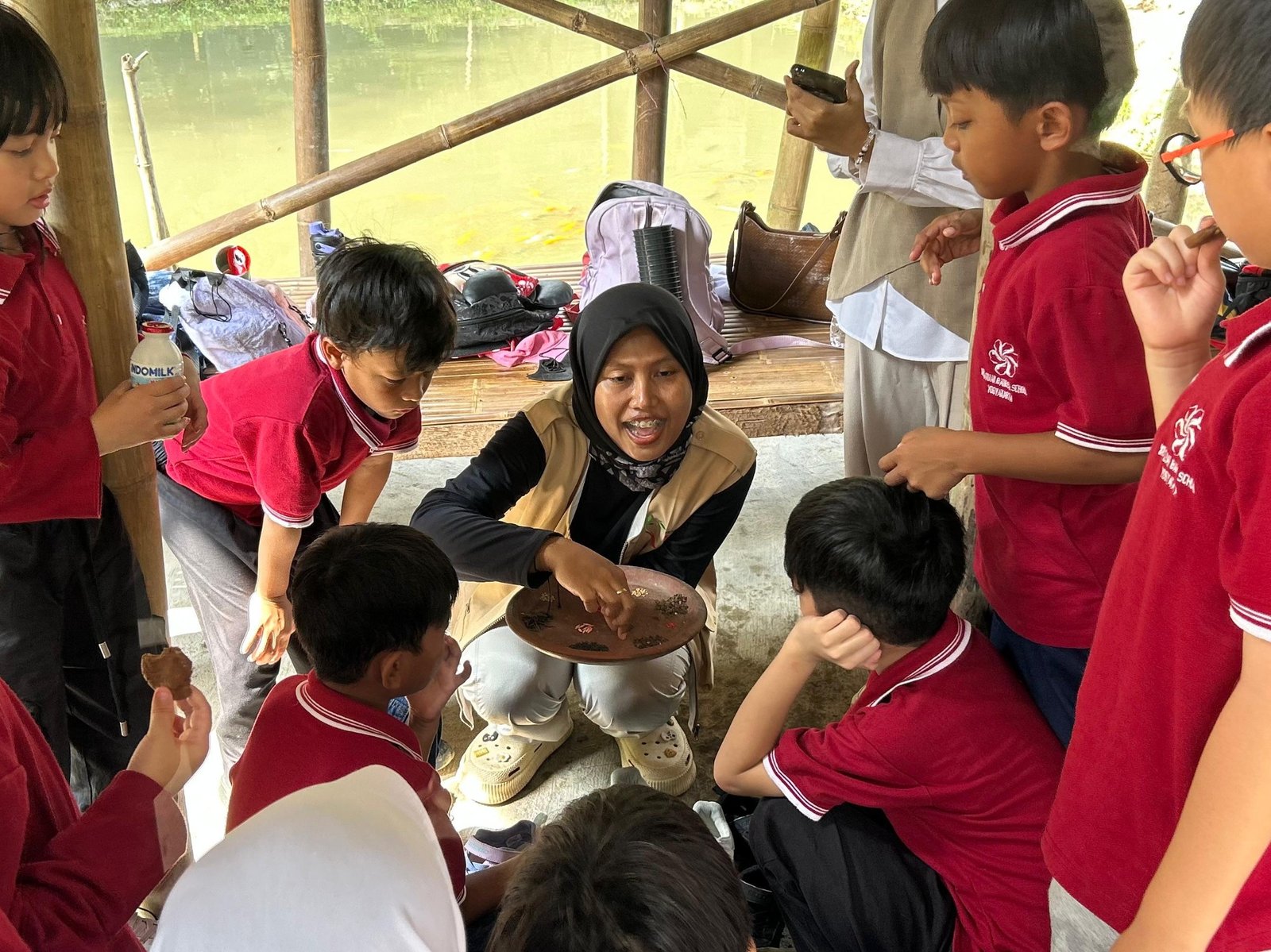
We connect circular operations with farmers, schools and environmental education to create shared local value.
Segregated food waste is collected from partner institutions.
Organic material is processed locally within our circular-economy system.
Outputs support aquaculture, livestock and agriculture partners.
Operational and impact data are tracked for ESG and sustainability reporting.
EcoLoop Intelligence connects food-waste diversion, circular outputs, climate impact and partner reporting in one impact-measurement layer.
It helps institutions move beyond activity reporting toward traceable ESG data and evidence-based sustainability decisions.
Operational period: August 2025 – July 2026
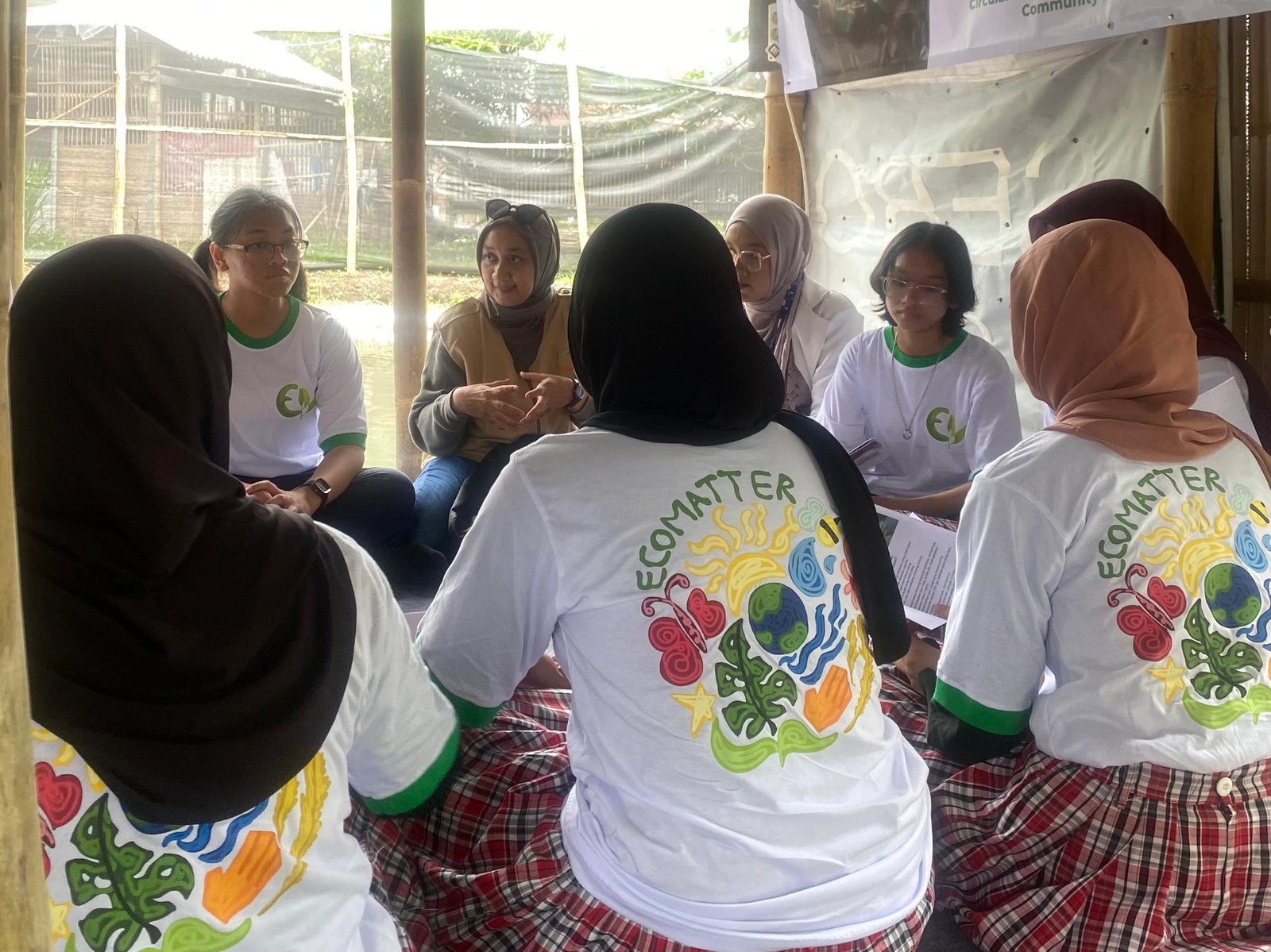
Kesatuan Bangsa Bilingual Boarding School is an active education partner in MBL's circular-economy network, combining food-waste diversion with environmental learning and student engagement.
The partnership demonstrates how institutional food waste can become a practical learning platform while supporting climate action and local communities.
Meet Menjaga Bumi Lestari and see how our work connects waste reduction, local food systems, education and measurable impact.
We work with education, food-service and hospitality partners that want to reduce food waste while building credible environmental and social impact.
Food-waste assessment, segregation, scheduled collection, circular processing and ESG-aligned impact reporting—designed for low operational disruption.
Combine operational food-waste diversion with student engagement, environmental education and partner-level impact measurement.
We welcome partnerships with schools, food service providers, hotels, and institutions to reduce food waste and build a more sustainable food system.